Discover what the science really says about red & infrared light therapy, and how athletes might benefit from using it.
The development of affordable, compact LED red light devices and infrared clothing, has driven a resurgence in red and infrared light therapy.
Historically, red light therapy used expensive, bulky lasers. The development of affordable, compact LED red and infrared light devices, as well as infrared clothing, has driven a resurgence in red light therapy, and is increasingly being used by athletes.
Likewise, there has been an increase use, and mis-use, of the term ‘red light therapy’ and related terms, such as ‘infrared therapy’, ‘near-infrared’ and ‘far-infrared’ therapy, and the scientific mouthful that is ‘photobiomodulation’.
So what do they all really mean?
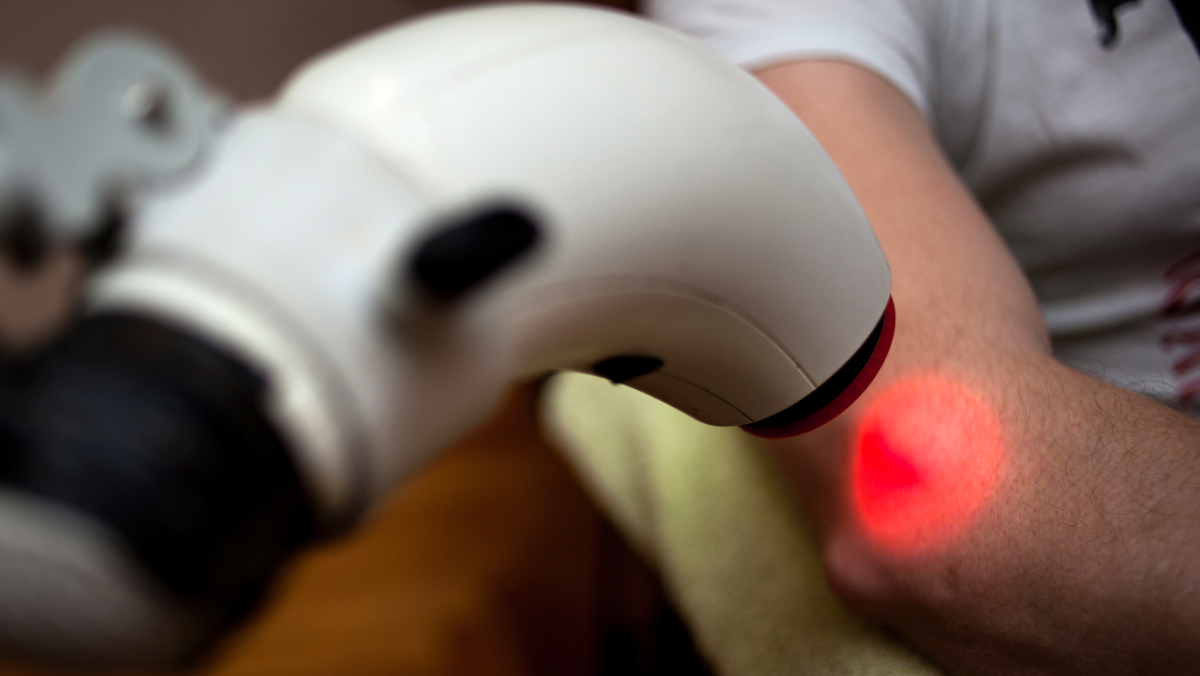
Red light therapy is a non-invasive treatment method that uses specific wavelengths of red light to stimulate cellular function and promote healing. This therapy typically employs low-level lasers or light-emitting diodes (LEDs) that emit visible light in the range of 600-700 nanometers (nm).
When applied to the skin, red light has a low penetration depth – primarily the skin and other surface tissues up to a few millimetres. It is then absorbed by the mitochondria – the energy-producing structures within cells – which has been found to enhance cellular energy production, increase blood flow and modulate inflammatory processes.
Of interest to sports medicine is the potential of these processes to benefit athlete performance, recovery and injury.
The term ‘red light therapy’ is often used more generally to include the use of both red and near-infrared light for therapeutic purposes.
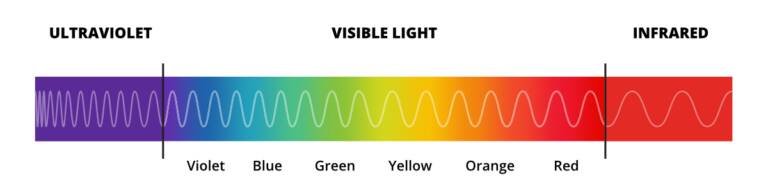
Infrared therapy (also referred to as infrared light therapy) uses mostly invisible light that sits just beyond visible red light on the electromagnetic spectrum. The wavelengths are longer than visible red light and can penetrate deeper into the body, up to a few centimetres, reaching muscles, joints and even bones.
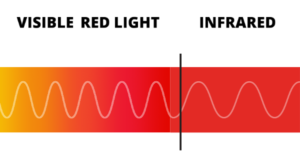
This deeper penetration makes infrared light therapy of particular interest to sports medicine because of its potential to help alleviate deeper muscle pain, promote the repair of damaged tissues, and reduce inflammation. Supporting faster healing of injuries and enhancing post-workout recovery would make it a useful tool for athletes managing both acute and chronic injuries.
Infrared is often divided into three sub regions:
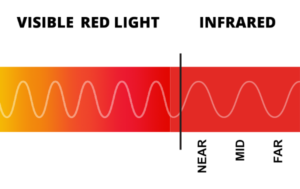
The boundaries between the three infrared wavelength regions are not widely agreed upon and can vary. Two classifications often cited in red light therapy research are ISO 20473 and CIE.
Therapies using these regions of infrared light are distinguished by the method by which they affect body tissues, how deep each wavelength penetrates the body, and their therapeutic applications.
Biological tissue has an ‘optical window‘ where the penetration of light is most effective between 600 to 1350 nanometres (nm). Maximum penetration is observed with near-infrared light wavelengths of 810 to 830 nm.
For athletes, and those interested in sports medicine, near-infrared therapy is often of particular interest due to its potential effects on muscle recovery, inflammation reduction, and pain relief, without generating significant heat.
However, mid and far-infrared therapies can also be beneficial, particularly for general relaxation and recovery through their heat-based effects.
Near-infrared light (NIR) sits just beyond the red visible spectrum (commonly used for infrared remote controls). Their longer wavelengths enable them to penetrate deeper into body tissues, up to several millimetres.
Like visible red light therapy, near-infrared therapy primarily works through photobiomodulation, stimulating cellular processes without significant heat generation.
By reaching below the surface, near-infrared wavelengths have the potential to help alleviate deeper muscle pain, promote the repair of damaged tissues and reduce inflammation. This could make it valuable for treating conditions like tendonitis, muscle strains and joint stiffness.
Mid-infrared light (MIR) sits in between near-infrared and far-infrared (commonly used for things like night vision). Whilst the wavelengths are longer than those of near-infrared, at around 1,000 nanometres infrared waves start to be absorbed by water molecules in the body. This reduces the depth of penetration because the process by which they affect tissue changes from photobiomodulation to heat radiation, primarily affecting the skin and superficial tissues.
The absorption of infrared waves by water molecules in the body, leads to a mild warming effect that can help with improving circulation and relaxing muscles. This heat-based response can be beneficial for reducing stiffness, pain and muscle tightness.
Far-infrared (FIR) light has longer wavelengths than near-infrared (NIR) and mid-infrared (MIR), and is typically used in heaters (as an alternative to more traditional convector heaters). Despite its longer wavelength, the FIR light doesn’t necessarily directly penetrate deeper than NIR due to its strong absorption by water in tissues.
With far-infrared waves, energy is largely transferred to the body as heat, absorbed by water molecules in tissues.
FIR produces a deep, penetrating heat (up to a few centimetres) that may take longer than MIR to feel initially but can lead to more prolonged heating effects.
Photobiomodulation (PBM) refers to the process by which non-ionising light energy is absorbed by cells and stimulates biological processes. Or, to put it another way, photobiomodulation encapsulates:
A key point to note is that photobiomodulation therapy (PBMT) is non-thermal – it doesn’t directly heat tissue.
Originally, the term referred to the use of low-level laser therapy at specific frequencies. Over recent years, it’s use has broadened to include other non-ionising light sources, such as LEDs and a wider range of wavelengths across visible red and near-infrared light.
In 2014, at a joint conference of the North American Association for Light Therapy and the World Association for Laser Therapy, it was agreed to adopt the terminology of photobiomodulation in place of low-power laser therapy or low-level laser therapy (LLLT).
Photobiomodulation is now commonly used as an umbrella term for both red light and near-infrared therapies.
As its name suggests, full spectrum infrared therapy refers to the use of infrared light across the entire infrared spectrum, which includes near-infrared, mid-infrared and far-infrared wavelengths.
Each of these wavelengths is thought to have distinct characteristics and therapeutic benefits, so full spectrum therapy combines them to offer a broader range of potential health and recovery effects.
Low-Level Laser Therapy (LLLT), also known as cold laser therapy or photobiomodulation, is a non-invasive treatment that uses low-intensity lasers or light-emitting diodes (LEDs) to promote healing, reduce pain, and decrease inflammation.
Unlike high-powered lasers used for cutting or burning tissue in surgical procedures, LLLT operates at low power levels and does not significantly heat or damage tissues.
Low-level light therapy is a broad term that encompasses the use of low power light sources, such as low-level lasers and LEDs, that emit wavelengths to stimulate photobiomodulation – the process of using light to affect biological processes.
The main difference in how coherent (e.g. laser) and non-coherent (e.g. LEDs and incandescent light bulbs) light sources affect the human body comes from the way these light types interact with tissues.
Coherent light from lasers is highly focused and concentrated. This allows it to penetrate deeper and deliver energy, more intensely, to a specific tissue area without scattering.
The precise control of lasers over the wavelength and intensity enables more accurate treatments tailored to specific medical needs.
Non-coherent light from LEDs spreads out in all directions, covering larger areas but with less penetration compared to lasers. Its lower intensity makes it safer for general therapeutic use.
LED-based light therapies are commonly used for less specific treatments, such as skin health, muscle recovery and reducing inflammation across larger body areas.
Red light therapy has been around for a lot longer than you may think – for more than a hundred years in fact!
The history of red light therapy (RLT) can be traced back to the late 19th century, with the work of Danish physician Niels Ryberg Finsen, who won the Nobel Prize in Medicine in 1903.
Finsen used red light to treat patients with smallpox to prevent the formation of pus and characteristic pockmarks. This marked one of the earliest recorded instances of light therapy being applied for medical treatment.
Throughout the 20th century, red light therapy evolved, particularly with the development of laser technology.
In the 1960s, scientists began experimenting with low-level laser therapy (LLLT).
After a group of researchers in the USA published their work on the potential of laser light in treating malignant tumours, a Hungarian researcher called Endre Mester attempted to replicate the experiment on rats.
The laser used was much less powerful and didn’t affect the tumours. However, Mester observed that wound healing and hair growth around the wound appeared to increase.
In the mid 1990s, NASA became interested in red and near-infrared light therapy for its potential in stimulating plant growth in space. The research eventually extended to its ability to help astronauts combat muscle wastage and bone density loss during long space missions.
NASA’s studies suggested that red light could promote healing in human tissue, boosting its medical applications here on Earth.
Since then, red light therapy has been increasingly adopted in medical, wellness and sports sectors. Applications it’s used for include skin rejuvenation, pain management, injury recovery, and muscle repair. Its popularity has grown with the development of LED devices that are safer, cheaper, and more accessible than earlier laser-based methods.
In recent years, there has been an explosion of published research studies, detailing a myriad of biological processes associated with the application of red and infrared light to the body.
Here, we attempt to summarise some of the most commonly cited biological processes that may be of particular interest to athletes.
If you’d rather not get into the detail, and just want to know about the potential physiological benefits these biological processes lead to, feel free to skip this section.
So let’s dive in and take a look at how they work…
As we discussed earlier, photobiomodulation is used as an umbrella term for red and near-infrared therapy, and is founded on the principle that:
The therapeutic effects of red light and near-infrared therapy are primarily attributed to their interaction with mitochondria within cells. Mitochondria are considered as the powerhouse of cells, generating the majority of adenosine triphosphate (ATP), the chemical energy needed for the biochemical reactions of cell functions.
These cellular functions include calcium signalling, essential for regulating numerous physiological processes, including muscle contraction and cellular metabolism, growth and death.
Parts of the human body with large numbers of mitochondria are those with high energy demands:
Brain Cells (neurons) require large amounts of energy for maintaining ion gradients and transmitting nerve impulses.
Metabolic functions of the liver, such as detoxification and gluconeogenesis (the synthesis of glucose to maintain blood sugar levels), demand high energy, necessitating abundant mitochondria.
For kidney cells, particularly in the proximal tubules, energy is essential for active transport processes involved in filtering and reabsorbing substances.
Brown adipose tissue, a specialised fat tissue, has abundant mitochondria to produce heat through thermogenesis (the process of heat production in the body).
These tissues are considered to be particularly sensitive to red and infrared light.
It should be noted, that whilst it was once thought the effects of far-infrared were purely thermal, more recent research is now unearthing other biological processes and similarities with photobiomodulation.
The first law of photobiology (the study of how light interacts with living organisms) states that light photons must be absorbed by a type of molecule inside cells or tissues, called chromophores, where it’s energy triggers biochemical reactions, in order to have any biological effects.
For red and infrared light therapies, the first law underscores the importance of applying the right wavelengths and dosages to ensure effective absorption and activation of biological responses.
It is thought that there are three broad classes of primary chromophores:
For wavelengths in the region of 600-850 nm (visible red to near-infrared), the most accepted mechanism of light absorption is through cytochrome c oxidase (CCO), located inside mitochondria.
Cytochrome c oxidase in mitochondria is a chromophore protein. When it absorbs this light, CCO’s activity increases, increasing the availability of nitric oxide (NO). Releasing NO that was bound to the CCO boosts the mitochondria’s efficiency in producing adenosine triphosphate (ATP), the cell’s main energy molecule.
For near-infrared wavelengths of 980 nm or longer, there is growing evidence that the primary chromophores are light-activated ion channels, particularly those belonging to the transient receptor potential (TRP) channel superfamily.
TRP channels can be activated by a range of stimuli, such as temperature, pressure, stretching, and even tastes (the first TRV discovered in humans is the receptor for capsaicin – the ingredient that gives the sensation of heat in chilli peppers).
The TRP channels associated with infrared light are considered calcium channels, because they allow calcium ions (Ca²⁺) to flow into the cell when activated. These calcium ions play a pivotal role in mitochondrial metabolism, particularly in energy production through ATP synthesis and nitric oxide (NO) synthesis.
It has been accepted that for infrared wavelengths from 950 nm up to far-infrared at 3,000 nm, the primary light absorbing chromophore is water. In this scenario, the energy from infrared photons is converted to heat, due to molecular vibrations in water molecules.
However, biological effects have been observed independent of any tissue heating. This is most apparent with infrared emitting fabrics and clothing, that aren’t able to significantly heat body tissues.
It is hypothesised that infrared wavelengths could be absorbed by nanostructured water. In nanostructured water, water molecules are arranged in specific patterns or structures, while in regular water they are arranged more randomly.
An example of nanostructured water is the monolayer of water that sits on cell membranes. This ordered water supports a stable environment for optimal ATP production.
The hypothesis suggests that the absorption of infrared photons could generate microscopic shifts in cell protein structures, that lead to the activation of TRP ion channels. This allows calcium to flow into the cell and affect mitochondrial metabolism, particularly energy production through ATP synthesis and nitric oxide (NO) synthesis.
After the initial light photon absorption events, numerous cell signalling pathways and biological processes are activated:

Nitric oxide (NO) plays a vital role in the human body as a vasodilator, helping to relax and widen blood vessels, which improves blood flow and oxygen delivery to tissues.
It also participates in immune response, neurotransmission and cellular signalling, influencing processes like inflammation, tissue repair and blood pressure regulation.
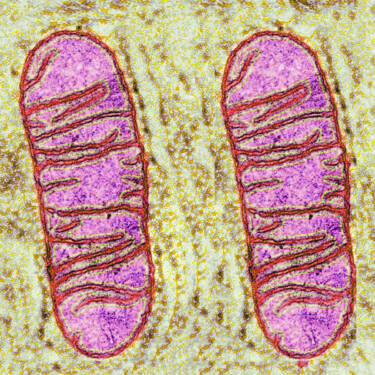
Light exposure stimulates mitochondria to increase the production of adenosine triphosphate (ATP), providing cells with more energy.
Cell energy is crucial for cellular functions such as repair, growth and regeneration processes.
Studies have found that in healthy cells, production of reactive oxygen species (ROS) can briefly increase, known to be beneficial for cellular signalling and repair, such as promoting wound healing and reducing inflammation.
Conversely, in oxidatively stressed cells, anti-oxidant defences are up-regulated to reduce oxidative stress.
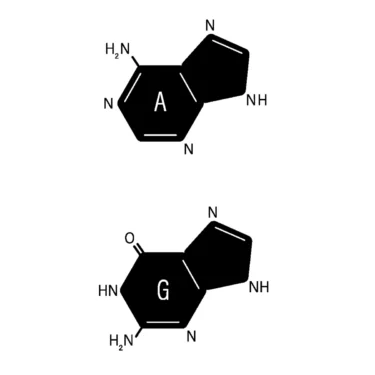
cAMP and cGMP are cyclic nucleotides that serve as second messengers, connecting signalling pathways within cells to pathways between cells.
cAMP is typically involved in processes like metabolism, heart function, and hormone regulation.
cGMP is more closely linked to nitric oxide (NO) signalling and processes like blood vessel dilation and smooth muscle relaxation.
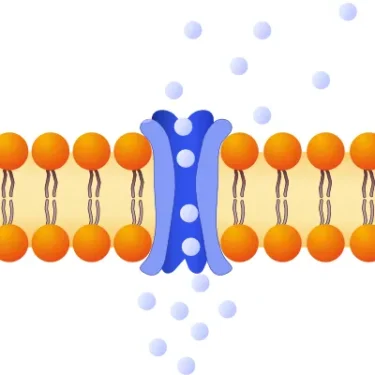
The modulation of calcium ion (Ca²⁺) levels is a significant primary effect due to calcium's central role in numerous cellular processes and signalling pathways.
Changes in intracellular calcium (calcium concentration within cells) act as secondary messengers in various signalling pathways, including those involved in muscle contraction, inflammation, repair and gene expression.
Tertiary effects include activation of a wide range of transcription factors (proteins that help regulate the delivery of DNA messages to cells), leading to:
These biological processes essentially put cells in a regenerative state.
Together, the cascade of signalling pathways and biological processes have been observed to stimulate various physiological effects, that have particular relevance for athletic performance and injury:

In studies inflammation reduction is one of the most reproduced physiological effects.
Nitric oxide (NO) inhibits the activation and adhesion of immune cells, such as neutrophils and macrophages, to the endothelium, reducing their infiltration into inflamed tissues.
It also downregulates the production of pro-inflammatory cytokines like TNF-α and IL-6 while promoting the expression of anti-inflammatory cytokines such as IL-10.
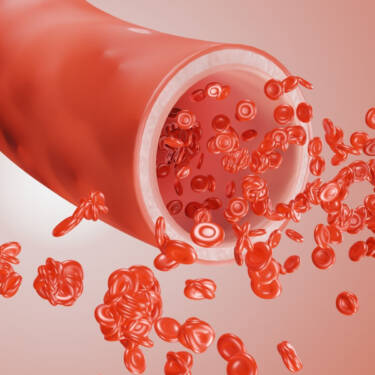
The increased nitric oxide (NO) promotes vasodilation, the process by which blood vessels widen or relax, allowing more blood to flow through them.
NO relaxes the smooth muscle cells in the walls of blood vessels, causing them to widen and increase their diameter.
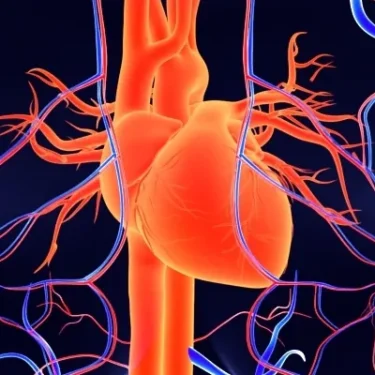
Vasodilation reduces vascular resistance and improves blood flow, allowing more oxygen and nutrients to reach tissues, and facilitates the removal of metabolic waste.
Additionally, anti-inflammatory signalling reduces pro-inflammatory molecules such as cytokines and reactive oxygen species (ROS), which can cause vascular stiffness and constriction.
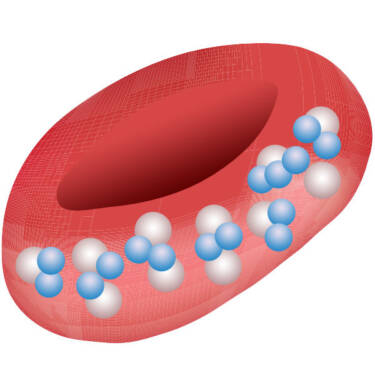
Enhanced blood flow from vasolidation increases the supply of oxygen-rich blood to tissues, supporting cellular metabolism and recovery.
Additionally, enhanced mitochondrial activity promotes more efficient oxygen utilisation, indirectly supporting oxygen availability within cells.

Research has shown moderate increases of reactive oxygen species (ROS) and oxidative stress in normal cells, beneficial for cellular signalling and repair, such as promoting wound healing and reducing inflammation.
Conversely, in oxidatively stressed cells, anti-oxidant defences are up-regulated to reduce ROS and oxidative stress.
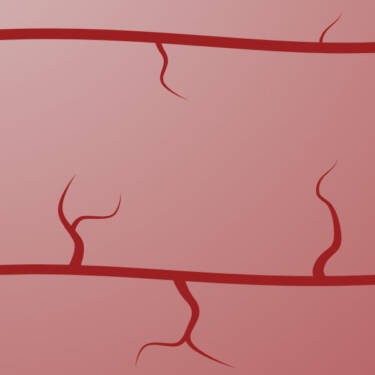
The activation of mitochondria enhances cellular metabolism and stimulates the expression of proteins like TGF-β1, which play a critical role in regulating endothelial cell proliferation, migration and the formation of new blood vessels (angiogenesis).
This has been identified as one of the key mechanistic responses that result in benefits to wound healing, tissue repair and regeneration.
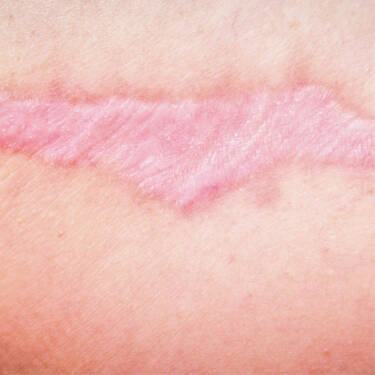
It's known that infrared light can promote the expression of growth factor proteins such as TGF-β1. They stimulate fibroblasts to produce collagen, which is essential for rebuilding the extracellular matrix and providing structural integrity to damaged tissue.
TGF-β1 also controls inflammation and promotes angiogenesis (the formation of new blood vessels), crucial for effective tissue repair and regeneration.
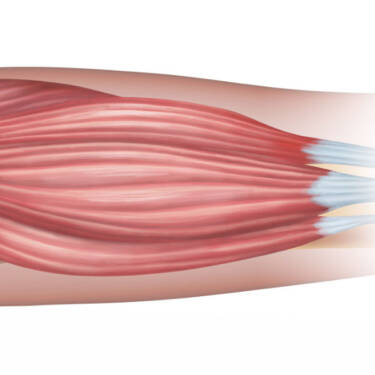
Several of the therapeutic processes already described - reduced inflammation, increased blood flow and oxygen levels, metabolic waste removal, and modulation of oxidative stress - work together to induce soft tissue relaxation.
In the muscle tissues, this has been shown to help in reducing muscle stiffness and promote proper muscle function.
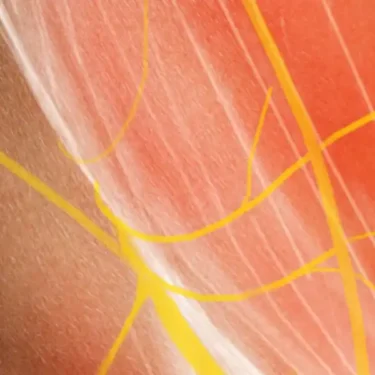
Alleviating pain occurs through peripheral and central effects.
Peripheral effects involve reducing inflammation and modulating pain signals at the site of injury - modulating pro and anti inflammatory cytokines, stimulating immune cells, and reducing the expression of receptors associated with pain transmission.
Central effects involve lowering levels of inflammatory cytokines and receptors involved in transmitting pain signals within the nervous system.
Understanding photobiomodulation (PBM) is helpful for appreciating the therapeutic potential of red and near-infrared light therapies for sports injuries and athletic performance. The scientific basis of PBM illustrates how these treatments might aid recovery, reduce pain and enhance overall well-being.
Mitochondria are specialised structures within cells that produce energy by converting nutrients into adenosine triphosphate (ATP), the cell’s primary energy carrier, through a process called cellular respiration.
Often referred to as the “powerhouses” of the cell, mitochondria play a crucial role in energy production, metabolism, and cellular health.
It has been found that certain wavelengths of red and near-infrared light are primary absorbed by a chromophore called cytochrome c oxidase.
Chromophores are molecules, or parts of molecules, in cells that absorb specific wavelengths of light, initiating various biological processes, including energy production and signalling pathways.
Cytochrome c oxidase is an enzyme located in the mitochondria. It drives the final step of cellular respiration that enables ATP production.
The absorption of light excites cytochrome c oxidase resulting in an increase of ATP production.
Cellular respiration is an essential process in all living cells, allowing them to gradually release and harness energy through a series of chemical reactions.
The cellular respiration process primarily takes in glucose and oxygen, which are converted into carbon dioxide, water, and energy in the form of ATP.
This energy powers numerous cellular functions throughout the body.
Reactive Oxygen Species (ROS) are highly reactive molecules containing oxygen, such as superoxide, hydrogen peroxide, and hydroxyl radicals.
They are naturally produced as byproducts of cellular metabolism, particularly during energy production in the mitochondria.
While ROS play essential roles in cellular signalling, immune defence, and tissue repair, excessive ROS production can lead to oxidative stress, which damages cells, proteins, lipids, and DNA.
Oxidatively stressed cells are cells that experience an imbalance between the production of reactive oxygen species (ROS) and their ability to neutralise these molecules with antioxidants.
This imbalance leads to excessive oxidative damage to vital cellular components such as DNA, proteins, and lipids.
Prolonged oxidative stress can impair cellular function, trigger apoptosis (programmed cell death), and contribute to the development of chronic diseases. Maintaining a balance between ROS production and antioxidant defence is critical for preserving cellular health and preventing damage.
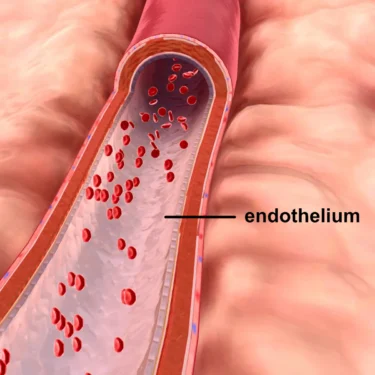
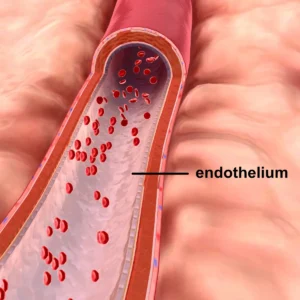
Endothelial cells are the thin, flat cells that line the interior surface of blood vessels and lymphatic vessels, forming the endothelium.
They play a critical role in regulating vascular functions, including blood flow, blood pressure, and immune responses, and are involved in processes like vasodilation (the widening of blood vessels) and angiogenesis (blood vessel formation).
The endothelium is a single layer of cells that lines the interior surface of blood vessels and lymphatic vessels throughout the body, playing a crucial role in regulating blood flow, clotting, and the exchange of substances between the bloodstream and surrounding tissues.
Cytokines are small proteins that act as signalling molecules in the immune system, regulating inflammation, immune responses, and cell communication.
Cytokines can be pro-inflammatory or anti-inflammatory and play a crucial role in processes like infection defense, tissue repair, and cell growth.
Whilst research continues to reveal evidence of biological processes similar to those observed with photobiomodulation, mid-infrared (MIR) and far-infrared (FIR) therapies are better known for their thermal nature, where their effects are largely due to the heat they generate in tissues.
The heat generated can trigger various physiological responses in the body, that are similar to more traditional heat therapies:

The heat produced by MIR and FIR can cause vasodilation, the process by which blood vessels widen or relax, improving circulation.
This increased blood flow can help deliver more oxygen and nutrients to tissues, whilst aiding in the removal of metabolic waste.
The heat generated by MIR and FIR can help reduce inflammation by increasing blood flow and promoting the relaxation of tissues.
This is more of a secondary effect of the heat rather than the direct cellular mechanism found in PBM.
The deep heating effect of FIR can help relieve muscle pain and joint stiffness, making it useful for various musculoskeletal conditions.
This pain relief may be due to both the direct effects of heat and the increased circulation.
Heat from MIR and FIR can induce thermoregulation, triggering sweating and assisting the body in maintaining an optimal internal temperature.
This process can help remove toxins from the body.
MIR and FIR also offer unique effects, compared with more traditional heat therapies, due to their specific wavelengths and the way they interact with the body:

Mid-infrared light is primarily absorbed by water molecules in the skin, generating mild heat in the superficial layers of tissue.
With far-infrared, the absorption by water in tissues is greater. The resulting heat generated at the skin's surface is then transferred to deeper tissues through the body's natural heat conduction mechanisms, primarily via blood circulation.
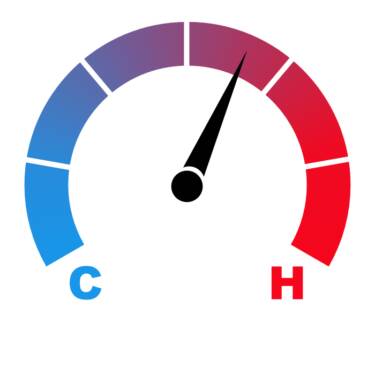
FIR is often noted for its ability to induce sweating at lower ambient temperatures compared to MIR.
FIR also produces biological effects at lower ambient temperatures than traditional heat therapy, allowing for longer application times and potentially more widespread effects.

Some studies suggest FIR therapy may have beneficial effects on blood pressure and heart function.
FIR induces a more vigorous sweat at a lower temperature than traditional heat therapy. As the body works to cool itself (thermoregulation), the heart rate and cardiac output increases with a cardiovascular demand similar to that of a moderate pace walk.
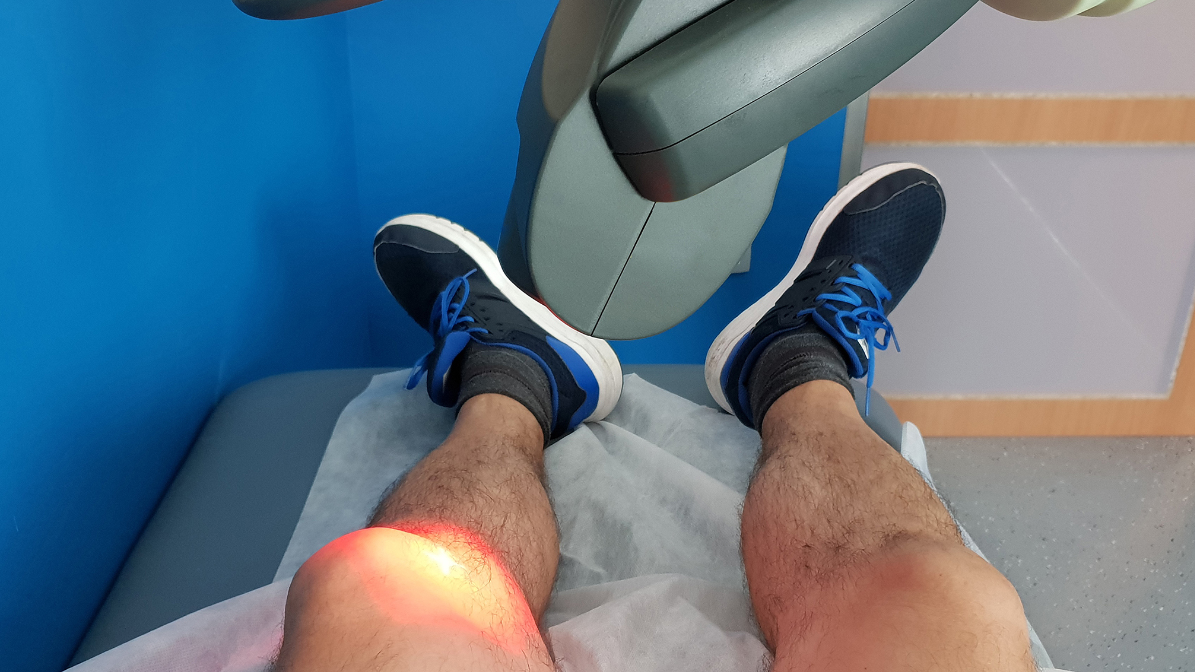
Both MIR and FIR can be effective for various therapeutic applications, but their different characteristics make them suited for slightly different purposes. MIR might be preferred for more localised, quicker heating, while FIR is often chosen for whole-body, gentler heating sessions.
It’s important to note that all forms of heat therapy can lead to increased blood flow and secondary heating effects that may impact deeper tissues over time. The overall therapeutic effect depends on various factors, including treatment application, duration, intensity, and the specific physiological responses triggered by each type of therapy.
Many people find FIR more comfortable for longer sessions due to its less intense surface heating.
In elite sport, where fine margins can make the crucial difference, it’s no wonder that red light therapy and infrared therapy have gained attention for their potential benefits.
Enhancing athletic performance and recovery, and injury prevention and recovery would likely be of interest to most sport participants. But what can these therapies realistically do?
Whilst the research is still evolving, a range of studies and trials suggest that these therapies may offer valuable support for athletes in various capacities.
Inflammation reduction is one of the most reproducible physiological effects of red and infrared light therapy. Numerous biological processes and therapeutic effects have been shown to contribute to reducing inflammation.
The increased ATP production supports cellular repair, whilst lower oxidative stress levels can decrease pro-inflammatory cytokines – molecules often responsible for promoting inflammation in tissues – whilst increasing anti-inflammatory cytokines.
Additionally, infrared wavelengths, especially in the far-infrared range, enhance blood flow through vasodilation, which allows for improved oxygen and nutrient delivery.
This increased circulation not only assists in reducing inflammation but also expedites the removal of metabolic byproducts in the affected areas.
Improved blood flow can also support the body’s natural healing processes, which is valuable for conditions like arthritis, tendonitis, and muscle injuries that often involve chronic inflammation.
Research has demonstrated that these therapies can reduce inflammatory markers in the body, potentially leading to faster recovery times and improved overall well-being for athletes.
Using red light and infrared therapy to enhance muscle performance during exercise, and repair following exercise-induced stress, has garnered a lot of interest from a sports perspective. This is largely due to muscles relying heavily on adenosine tri-phosphate (ATP) for their energy, since increased ATP levels is one of the most cited effects of red and infrared therapy (PBMT). It also reduces oxidative stress, via increased production of reactive oxygen species, which plays a key role in muscle fatigue.
Other physiological effects contributing to muscle performance include reduction of inflammation markers, increased oxygen levels, fibroblast stimulation, soft tissue relaxation and decreased pain.
A 2023 review of 15 randomised clinical trials, looked at muscle recovery after exercise. It found, in the majority of studies, that PBMT promoted oxygen consumption, maximum voluntary contraction, and increased time to fatigue and exhaustion, with decreases in CK levels, oxidative stress and fatigue markers. Interestingly, it also reported that whilst visible red light has a more superficial effect than near-infrared, the best results were achieved when either was applied before exercise.
Another 2023 review of 15 randomised clinical trials, analysed the effectiveness of red and infrared therapy for improving sports performance. It found that PBMT applied before and/or after exercise appeared effective for both strength training and cardiovascular exercise training. Whilst not all studies reported improvements, a significant number showed reduced muscle damage, reduced blood lactate concentration and reduced muscle pain post-exercise, as well as increased oxygen volume (VO2).
Delayed Onset Muscle Soreness (DOMS) typically sets in 12 to 24 hours after strenuous exercise and is characterised by muscle soreness, stiffness and tenderness.
Red and infrared therapy are known to be capable of providing several therapeutic benefits to help prevent and reduce the severity of DOMS:
In a 2021 review of studies of the effects of PBMT in sports health and performance, of the 5 studies that reported specifically on DOMS, 3 studies reported significant reduced DOMS and 2 reported no change.
A more recent 2022 study of 24 elite female soccer players investigated the effects of far-infrared (FIR) therapy on muscle damage and recovery following match-related controlled exercises. Doses were applied every 24 hours post-exercise and found effective in reducing peak DOMS by 60% and full DOMS recovery (return to pre-exercise baseline) 1 to 3 days quicker than participants not receiving FIR treatment.
Athletes often experience short-term acute pain due to intense training and competition, such as fatigue-induced pain and delayed onset muscle soreness (DOMS). We’ve already explored the physiological effects – including reduced inflammation, increased blood circulation, cellular messaging and repair, and soft tissue relaxation. But benefits are also being found for chronic pain.
Inflammation reduction and enhanced tissue repair can address the underlying causes of certain types of pain. Red and infrared light have been demonstrated to decrease pain for conditions involving nerve sensitivity, potentially reducing pain signals sent to the brain. A range of complex biological processes have been cited, mostly acting on the peripheral pain system (involving the detection and transmission of pain signals from the site of injury or inflammation to the central nervous system).
Far-infrared (FIR) wavelengths in particular, have been shown to provide such benefits through both non-thermal, photobiomodulation related effects, and thermal effects (commonly associated with, but not limited to, infrared saunas).
FIR can act on pain sensors in localised pain, turning down the pain signals sent to the brain. Studies have shown this to “significantly” reduce pain, and increase the pain threshold, for musculoskeletal disorders such as osteoarthritis and myofascial pain, and procedures such as rotator cuff repair and knee replacement.
The potential for these therapies to stimulate the release of endorphins – the body’s natural painkillers – is another area of ongoing research.
A 2022 systematic review of 13 human studies found significant efficacy for infrared therapy in reducing musculoskeletal chronic pain for a range of conditions, including knee osteoarthritis, fibromyalgia and sports injuries. No clear efficacy was found for chronic low back pain.
PBMT may help reduce pain and inflammation in joints and muscles, potentially benefiting those with arthritis, muscle soreness, or tendon issues.
One of the primary benefits of red light and infrared therapy is its potential to promote healing and recovery from injuries. Studies have demonstrated that exposure to specific wavelengths of light can enhance cellular metabolism, leading to increased ATP (adenosine triphosphate) production. This boost in energy availability may accelerate tissue repair processes, helping athletes recover more quickly from injuries.
To date, research studies and clinical trials have produced mixed results.
A clinical trial by de Oliveira at al, (2022) concluded there was no significant difference in acute achilles tendon rupture healing when used with conservative treatment. The same study did find a significant reduction in pain, specifically, during walking at week 12.
A separate review of studies published prior to 2022 found that PBMT “has a significant effect on tendon repair”. It cited that it was found to act in all three phases of tendon repair and improve tendon injury recovery:
Another 2022 systematic review of 13 research publications focused more generally on PBMT for treating musculoskeletal conditions and chronic pain. The review found that patients treated with infrared therapy experienced a reduction in pain levels and fibromyalgia symptoms, but did not expedite muscle injury recovery in athletes.
Beyond the context of sports injuries, there are examples of related research that are showing promise for PMBT as a tool for biological healing.
For example, a 2024 study looking at acquired brain injuries (i.e. not related to congenital or genetic conditions) reported that near-infrared light therapy promoted neural repair and regeneration by modulating cellular growth and repair, reducing inflammation and reactive oxygen species.
The current body of research provides mixed results. Whilst many studies show some positive outcomes, particularly in areas like muscle recovery and inflammation reduction, there are also studies where very small or no benefits were observed.
Where positive effects have been observed, the effectiveness is often cited as being dependent on various factors such as the specific application, timing and dosage.
Overall (particularly with systematic reviews that look at a groups of previously published research studies) it is said that there are inconsistencies in results, with calls for more rigorous research employing larger sample sizes and standardised protocols.
A growing number of top-tier athletes and teams, including those in the NFL, UFC, Premier League and Olympic squads, have reportedly embraced red light and infrared light therapy.
Red and infrared light therapy appear to be increasingly used as a tool to gain an extra edge for injury prevention, recovery and maintaining peak performance levels.
That said, details of specific teams and individual athletes using these therapies are not as common as often cited. This may simply be a case of keeping a potential competitive advantage under wraps or, perhaps, a sign that the jury is still out on its clinical efficacy whilst research continues.
Some examples of pro athletes using red light therapy appear to be little more than ‘influencer’ product endorsements. However, others are clearly seriously seeking benefits when it comes to incorporating RLT into their training routines.
Rosie Galligan, an England rugby player, credited red light therapy as a key part of her high-tech recovery strategy leading up to the WXV 2024 campaign.
After suffering a broken thumb and a serious foot injury, Galligan worked meticulously to make the tour.
She explained, “It was kind of touch and go if I would make this tour… I used a lot of red light therapy, which, from my research, stimulates mitochondria to help healing in muscles, bones, and ligaments.”
Galligan followed a strict recovery schedule, using red light therapy, ice machines, and consistent physiotherapy to maximise her recovery.
The San Francisco 49ers are one of the most publicised elite sports team using red light therapy. They began using it during their 2019 season, and became an integral part of the team’s daily training and recovery, with a dedicated red-light therapy room.
Fullback Kyle Juszczyk, a strong advocate of the therapy, credits it with improved energy levels and faster recovery, saying it enhances the quality of sleep, particularly deep and REM sleep stages.
The 49ers Director of Functional Performance Elliot Williams said, “Light therapy allows us to provide a player’s body with an extremely valuable resource that is proven to support the body’s natural inflammation process, increase cellular regeneration and aid in sleep optimisation, three main aspects of recovery that ensure our players are at their best for gameday.”
In August 2024, New Zealand rugby confirmed the New Zealand Campus of Innovation and Sport (NZCIS) as its new training base.
The All Blacks new state-of-the-art athlete training facility includes an infrared sauna and red light therapy treatments.
NZCIS campus director, Jamie Tout, explains, “we tried to design the most bespoke recovery facility we could…we’ve got the real heroes in that room, the gems. You’ve got the red light therapy, we’ve got two red light therapy booths and next to that we’ve got a clear light infrared sauna.”
Jamie goes on to say, “It was a new way of thinking for a lot of people. The benefits of a dry sauna and the infrared quickly moved us in that direction. The athletes love it.”
In March 2024, USA swimming unveiled its Official Supplier of red light therapy.
Tim Hinchey, USA Swimming CEO and President, announced “We are excited to add Smart Light Therapy to a growing list of innovative resources available to USA Swimming athletes and members.”
He went on to say, “Together, we will ensure our athletes have access to the most cutting-edge technology and every competitive advantage as they continue a tradition of international success.”
An interesting inclusion in the long list of red light and infrared light therapy suppliers in professional sport is Kymira.
The company developed an innovative infrared performance clothing range that is supplied to a number of English Premier League and Football League teams, including Reading FC.
Mark Bowen, Head of Football Operations at Reading FC, said , “Our partnership has made a real impact throughout 2022, so we’re delighted to be extending it for another two years. Feedback from coaching and medical departments as well as players has been universally positive, so we look forward to benefiting from their technology and product range going forward.”
There are numerous examples of olympians at the 2024 Paris games who included red light therapy as part of their preparations.
Wrestling Olympic gold medalist David Taylor shared a video detailing his use of red light therapy, saying, “Similar to cold water, it’s a massive reduction in inflammation, boosting your energy levels” and “boosting your immune system.”
Red light and infrared light therapy devices, and clothing, are gaining popularity among athletes at all levels.
There is a growing popularity for RLT devices, fuelled in-part by anecdotal reports from users across the spectrum – from amateur fitness enthusiasts to elite athletes – who now consider it a regular part of their routine.
So what types of red and infrared light therapy devices are available for athletes?
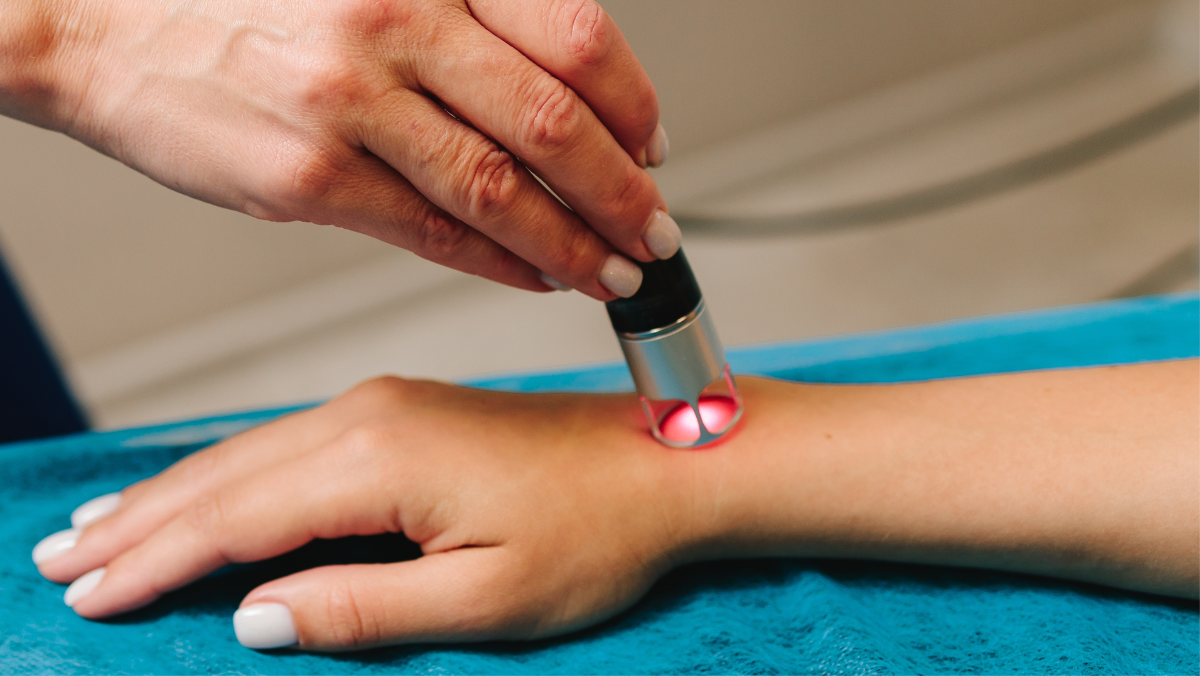
Portable, handheld red light therapy devices typically emit wavelengths at around 630 nanometers (nm) for red light and around 850 nm for near-infrared light, as they are the most common wavelengths used in related research studies.
Athletes might use these devices for surface level stimulation of blood circulation and reducing inflammation in localised body areas.
Devices vary in power, size, and wavelength output. The proximity of the light to the skin, treatment duration, and frequency of use may also differ based on the device.
Full-body panels are large devices that typically emit both red and near-infrared light to treat the entire body simultaneously.
Like the smaller devices, the wavelengths are typically around 630 nm and 850 nm, with some offering an additional wavelength at around 940 nm.
The panels are usually floor-standing or even a pod type bed (like a sunbed) that you lay on.
Given the substantial size, they are typically used in dedicated recovery rooms or home setups, allowing athletes to incorporate red light therapy into their daily routines.
Smaller, consumer-friendly panels can apply light therapy for an area of the body.
Infrared saunas offer several benefits compared to traditional saunas, primarily due to their different heating mechanisms.
While traditional saunas heat the air, which in turn heats the body, infrared saunas use infrared light to heat the body directly.
This allows infrared saunas to operate at lower temperatures, which some people find more comfortable, while still promoting a deep sweat and therapeutic effects.
Infrared saunas primarily use far-infrared (FIR) wavelengths, which are considered ideal for therapeutic purposes.
Some advanced models may also incorporate near-infrared (NIR) and mid-infrared (MIR) wavelengths for additional benefits associated with panel and handheld devices.
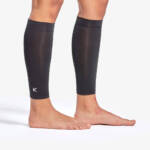
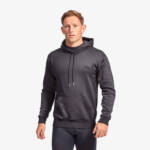
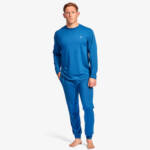
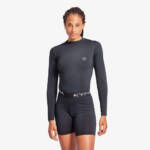
Athletes are also exploring clothing infused with red light or infrared-emitting fibres. This wearable technology is designed to offer the same benefits as device-based therapies, but in a more convenient, on-the-go format.
These garments include shirts, leggings, and wraps that emit low-level light to promote recovery while worn during or after physical activity.
Infrared clothing emits lower power energy than LED devices, providing athletes with a convenient and safe method for applying RLT during performance activity or even throughout recovery days and nights.
The relatively low-power output of consumer red and infrared therapy (RLT) devices offers a safe way for athletes to incorporate RLT as a complementary therapy and explore its potential benefits.
That said, claims regarding the benefits of individual RLT products may not always be fully supported by clinical research, so it’s important to approach these products with a degree of skepticism and caution.
For example, it’s not clear whether light-emitting diode (LED) systems produce physiological effects of the same type and intensity as those observed in laser-based systems, which have been the focus of most high-quality research studies. Factors like wavelength, duration of exposure, and treatment area can all affect the potential outcomes of red light and infrared therapy.
For those looking to invest their money, time and health in RLT devices it is advisable to do a bit of homework and chose a reputable brand that is able to verify that real-world use of their products match their published product specifications.
Athletes should consult with medical professionals or sports therapists before incorporating red light or infrared therapy into their routines, especially when dealing with injuries or medical conditions.
Research is ongoing to understand optimal red and infrared light therapy dosing for athletes, so it’s useful to understand some basic principles.
The biphasic dose response, also known as the Arndt-Schulz curve, is a key principle in red and infrared light therapy that describes how different dosages elicit varying biological effects.
According to this response, low to moderate doses of red and infrared light stimulate beneficial cellular activity. These effects are optimal within a specific therapeutic window, where the energy delivered is sufficient to activate photoreceptors, like cytochrome c oxidase, without overwhelming the cellular systems.
In contrast, when the dosage exceeds this therapeutic range – either through excessively high irradiance, overly long exposure, or inappropriate repetition frequency – the effects can plateau or even reverse, leading to diminished or negative outcomes. Overdosing can cause cellular stress, energy depletion, or tissue overheating, counteracting the intended therapeutic benefits.
This biphasic nature underscores the importance of appropriate dosing. So whilst it may be tempting to apply ‘a little bit extra’ light therapy to try and gain a therapeutic boost, more is not always better.
A common feature of research is the observation of both localised and systemic effects of red and infrared light in the body:
Many biological mechanisms of red and infrared light therapy are not yet fully understood, including the extent to which various observed effects are localised or systemic, providing challenges for establishing optimal dosage for a given therapeutic effect.
It should be emphasised that studies on the use of red and infrared light therapy in sports and musculoskeletal applications usually conclude with a call for more research to establish standardised, effective dosing guidelines.
It is a prominent feature of studies that differing parameters are used and, often, not all parameters are defined. This makes it particularly challenging for studies that systematically review the full range of clinical research to ascertain optimal dosage guidelines.
That said, some commonalities have risen to the surface and have been adopted as accepted recommendations by some. For example, the USA-based National Strength and Conditioning Association have published an article for strength and conditioning coaches, that includes guidance for PBMT usage. The guidance is taken from a 2018 review of previously published controlled trials in PBMT usage for exercise performance enhancement and post-exercise recovery.
The recommendations broadly concur with those in more recent studies.
Note: These recommendations should be read in the context of the preceding section.
20 - 60 J for small muscle groups.
60 - 300 J dose for large muscle groups.
50 - 200 mW per diode for single probes.
10 - 35 mW per diode for cluster probes.
640 nm (red) to 950 nm (infrared).
Note: Many studies use both together.
Pulsed or continuous.
For acute effects (single event), 5 min to 6 hr before activity.
For chronic effects associated with strength training, 5 to 10 min before each activity.
For chronic effects associated with aerobic endurance training (treadmill), 5 to 10 min before and after each activity.
Irradiation should cover as much of the muscle group areas involved in exercise activity as possible.
When using a single probe, distant between application points should be < 2 cm.
Minimum of 30 sec per area
Direct contact with skin with slight pressure.
For far-infrared (FIR) therapy, safe and effective dosing recommendations are more difficult to quantify. Unlike red and near-infrared light, FIR wavelengths are strongly absorbed by water molecules, leading to tissue heating.
A 2024 review of clinical studies involving the application of FIR cited a complex range of dosage parameters for FIR therapy. It was concluded that, even with a substantial list of dosage recommendations for various treatments, the dosage parameters need to be adjusted for the specific patient needs and FIR light sources used.
Special mention should be given to infrared clothing, which provides a completely different form of infrared therapy application. Dosage when using infrared clothing involves considerations of exposure duration, material properties, and the specific therapeutic goals.
Infrared clothing typically incorporates fibres infused with ceramic or other materials designed to absorb body heat and re-emit it as infrared radiation, creating a gentle, continuous warmth. The emitted infrared is low-intensity, and self-regulated by the wearer’s body temperature, making it suitable for extended wear, often ranging from several hours to all-day use.
For targeted therapeutic effects like muscle recovery or joint pain relief, wearing the clothing for at least 30 minutes to a few hours is generally recommended to allow sufficient time for heat absorption and circulation enhancement. Factors such as material quality, fit, and individual sensitivity to heat can influence effectiveness, highlighting the need for comfort and consistent use for optimal results.
The risks of red light and infrared therapy for athletes appear to be relatively low when used properly.
Whilst RLT is widely considered a very safe therapeutic option, there are a number of potential concerns that users should be aware of before undertaking treatment.
The most reported adverse side effect is thermal injury. However, it is generally considered that when used at therapeutic power densities, visible and near-infrared light don't carry sufficient energy to cause thermal burns.
As the wavelengths get longer, into mid and far-infrared, they can strongly interact with water in human tissue and are more capable of causing thermal effects, so need to be applied within safety guidelines.
At high intensities, red light therapy may cause skin redness or blistering. This risk is higher when using stronger devices, such as those found in medical settings.
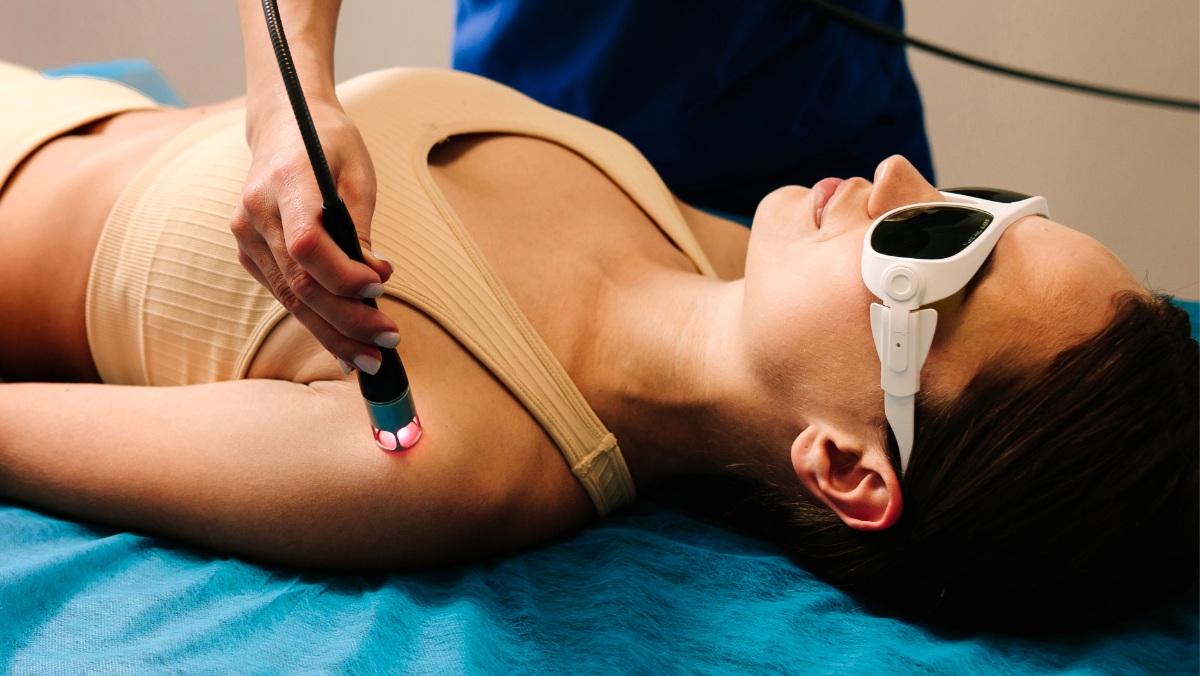
The risk of eye damage appears to be very low for therapeutic doses of red and infrared light. In clinical settings, where some devices are capable of delivering significantly greater light intensity, it may be recommended to wear protective goggles. Needless to say, device safety guidelines should always be followed, and eye protection worn if advised or recommended.
One of the main risks for athletes is the potential lack of effectiveness. Many studies show inconsistent results regarding performance improvements or recovery benefits. This means athletes might invest time and money in a treatment that may or may not provide significant advantages.
Athletes might rely on red light therapy instead of proven recovery methods, potentially hindering their overall training and recovery process. In such settings, RLT is usually seen as a complimentary therapy to existing treatments and programmes, rather than an alternative.
People taking medications that increase skin or eye sensitivity are advised not use red light therapy without consulting their doctor.
As with most health devices and supplements, red and infrared light devices will warn against use when pregnant or breast feeding.
(Generally, this is not because of any known safety concerns, but simply that studies are rarely performed on pregnant women for any health device, supplement or medication.)
Red light therapy devices aren't properly regulated. Particularly for at-home devices, there's a risk of using products that don't perform to the stated specification, such as power, irradiance (light density) and wavelengths.
When used as directed, and under supervision as appropriate, red and infrared light therapy appears to be generally safe for most people.
However, it’s advisable for athletes to consult with their healthcare providers or sports medicine professionals before incorporating such therapy into their routines, especially if they have pre-existing health conditions or are taking medications.
And as previously stated, when purchasing a device, it’s advisable to chose a reputable brand that is able to verify that real-world use of their products match their published product specifications.
It’s important not to get carried away with all the hype – while the results of research are promising, the science is still evolving.
Throughout this guide, we have tried to provide a balanced tour of the science, applications and potential benefits of red and infrared light therapy, with a focus on athletes and sport participants.
Amongst the research to date, there are numerous clinical studies and systematic study reviews that report a range of observed benefits, particularly related to reducing inflammation, managing muscle fatigue and recovery, pain management and tissue repair.
Looking across the growing catalogue of research studies and clinical trials of red and infrared therapies for sports performance and injury management, results are mixed.
Some observe significant benefits whilst others report results that are only marginally better, or the same, as placebo (interestingly, this is actually the case for many authorised medications, such as common sleeping medication, where the research has shown little difference in efficacy compared to placebo pills). Reports of any negative effects appear to be very rare.
Overall, whilst a few niche areas of application are considered proven (e.g. osteoarthritis), it’s efficacy across the wider spectrum of medical and sports performance applications needs further investigation.
Indeed, it is very common for research studies to conclude with a call for further research. The main reasons cited are the variability of the parameters around dosing and measured activities, that makes it difficult to consistently replicate findings, and a lack of large studies.
In professional and elite sport, red and infrared light therapy appear to be increasingly used as a tool to gain an extra edge for injury prevention, recovery and maintaining peak performance levels.
Red light therapy and infrared therapy have attracted significant interest in sports medicine. Its use in elite level sport has gained popularity, although it can sometimes be unclear as to what extent a team or athlete have genuinely invested in the technology, and how much of it is equipment supplier marketing deals.
So it’s encouraging to also see its use in mainstream medical environments, such as the UK’s national health service (NHS). For example, in 2024, the NHS introduced photobiomodulation treatment to certain cancer patients to help prevent and treat oral mucositis (where the mouth becomes inflamed and sore from radiotherapy).
In fact, oral mucositis appears to be the only red and infrared light therapy treatment that has achieved recommendations by NICE , the national institute for health and care excellence, which is heavily evidence led.
To conclude, for many, there have been enough demonstrations of effective use to at least give it a try. Given that it’s widely accepted as being safe, with virtually no side effects, it’s understandable that athletes are open to giving it a try. Particularly at the elite level in sport, where the smallest of gains can provide a competitive advantage, the prudent approach could be to explore it as a supplemental treatment alongside more established protocols.
Whilst research supports the various biological effects of infrared light energy, clinical evidence for measurable physical benefits in athletes remains mixed, with calls for larger-scale human trials with consistent data to allow for more systematic analysis.
Despite these limitations, optimism around red and infrared light therapy is growing. Its popularity has surged, fuelled by anecdotal reports from users across the spectrum – from amateur fitness enthusiasts to elite athletes – who now consider it an integral part of their routine.
Many studies have small sample sizes, lack long-term follow-ups, complicating the generalisation of findings, and many haven’t been conducted on human participants.
The results of clinical trials are difficult to aggregate and compare due to variations in application. There is a clear need for standardised treatment protocols, optimal wavelengths, and dosages to maximise the therapeutic benefits of these modalities.
There is insufficient data on the long-term effects, with calls for future research to focus on large-scale, randomised, controlled human trials, to provide more definitive evidence of efficacy and safety. While research into the efficacy and long-term safety of red light and infrared light therapies is ongoing, athletes should weigh the options and consider their own experiences, training needs, and medical advice.
Despite the aforementioned limitations, a wave of optimism has grown, which has seen usage expand across both consumer and professional markets. This has been driven, at least in part, by the advancements in LED technology that have enabled manufacturers to create a wide range of relatively affordable, red light therapy products.
Red LEDs are considered relatively safe (when compared to the original high powered red lasers for example) so, in an elite sport world where fine margins count, rather than wait for the research to catch up, perhaps athletes and teams consider there’s ‘nothing to lose’ in using RLT as a complimentary therapy.
Biology & Mechanisms
NASA Research Illuminates Medical Uses of Light. (2022).
https://spinoff.nasa.gov/NASA-Research-Illuminates-Medical-Uses-of-Light
Niels Ryberg Finsen: Danish physician.
https://www.britannica.com/biography/Niels-Ryberg-Finsen
Tumoricidal Effect of Laser Energy on Experimental and Human Malignant Tumors. (1965). https://www.nejm.org/doi/abs/10.1056/NEJM196508262730906
Cellular and molecular mechanisms of mitochondrial function. (2012).
https://www.sciencedirect.com/science/article/pii/S1521690X12000644
The nuts and bolts of low-level laser (light) therapy. Annals of Biomedical Engineering. (2012).
https://pubmed.ncbi.nlm.nih.gov/22045511/
Red/Near Infrared Light Stimulates Release of an Endothelium Dependent Vasodilator and Rescues Vascular Dysfunction in a Diabetes Model. (2017).
https://www.ncbi.nlm.nih.gov/pmc/articles/PMC5699925/
Photobiomodulation – Underlying Mechanism and Clinical Applications. (2020).
https://www.mdpi.com/2077-0383/9/6/1724
Proposed Mechanisms of Photobiomodulation or Low-Level Light Therapy. (2016).
https://pmc.ncbi.nlm.nih.gov/articles/PMC5215870/
Mechanisms and applications of the anti-inflammatory effects of photobiomodulation. (2017).
https://www.researchgate.net/publication/317346378_Mechanisms_and_applications_of_the_anti-inflammatory_effects_of_photobiomodulation
Far infrared radiation (FIR): its biological effects and medical applications. (2017).
https://www.ncbi.nlm.nih.gov/pmc/articles/PMC3699878/
Low-Level Light/Laser Therapy Versus Photobiomodulation Therapy. (2015).
https://www.ncbi.nlm.nih.gov/pmc/articles/PMC4390214/
Accelerated burn wound healing with photobiomodulation therapy involves activation of endogenous latent TGF-β1. (2021).
https://www.nature.com/articles/s41598-021-92650-w
Effect of wavelength and beam width on penetration in light-tissue interaction using computational methods. (2017).
https://pmc.ncbi.nlm.nih.gov/articles/PMC5653719/
Red/near infrared light stimulates release of an endothelium dependent vasodilator and rescues vascular dysfunction in a diabetes model. (2017).
https://pubmed.ncbi.nlm.nih.gov/28935419/
Increased fibroblast proliferation induced by light emitting diode and low power laser irradiation. (2003).
https://pubmed.ncbi.nlm.nih.gov/12928819/
Inhibitory effect of red LED irradiation on fibroblasts and co-culture of adipose-derived mesenchymal stem cells. (2020).
https://pmc.ncbi.nlm.nih.gov/articles/PMC7226671/
Plasma Acth and β-Endorphin Levels in Response to Low Level Laser Therapy (LLLT) for Myofascial Trigger Points. (1994). https://www.jstage.jst.go.jp/article/islsm/6/3/6_94-OR-07/_article/-char/en
Far-infrared saunas for treatment of cardiovascular risk factors. (2009).
https://pmc.ncbi.nlm.nih.gov/articles/PMC2718593/
Light Dosing and Tissue Penetration: It Is Complicated. (2020).
https://pmc.ncbi.nlm.nih.gov/articles/PMC7374595/
Role of opsins and light or heat activated transient receptor potential ion channels in the mechanisms of photobiomodulation and infrared therapy. (2023).
https://www.sciencedirect.com/science/article/pii/S2666469023000015
Mechanisms and Mitochondrial Redox Signaling in Photobiomodulation. (2019).
https://pmc.ncbi.nlm.nih.gov/articles/PMC5844808/
The Functions and Mechanisms of Low-Level Laser Therapy in Tendon Repair (Review). (2022).
https://pmc.ncbi.nlm.nih.gov/articles/PMC8886125/
Mechanisms and Pathways of Pain Photobiomodulation: A Narrative Review. (2022).
https://pmc.ncbi.nlm.nih.gov/articles/PMC8277709/
Far-infrared radiation and its therapeutic parameters: A superior alternative for future regenerative medicine? (2024).
https://www.sciencedirect.com/science/article/pii/S1043661824002949
Noninvasive red and near-infrared wavelength-induced photobiomodulation: promoting impaired cutaneous wound healing (2016)
https://onlinelibrary.wiley.com/doi/10.1111/phpp.12282
Functional Roles for cAMP and cGMP.
https://www.ncbi.nlm.nih.gov/books/NBK27915/
Engineering of a red-light–activated human cAMP/cGMP-specific phosphodiesterase. (2014).
https://pmc.ncbi.nlm.nih.gov/articles/PMC4066486/
Red Light Therapy: What Is It?. (2024).
https://www.webmd.com/skin-problems-and-treatments/red-light-therapy
Applications & Sports Medicine
Biological effects and medical applications of infrared radiation. (2018).
https://pmc.ncbi.nlm.nih.gov/articles/PMC5505738/
Photobiomodulation in human muscle tissue: an advantage in sports performance? (2016).
https://www.researchgate.net/publication/310735332_Photobiomodulation_in_human_muscle_tissue_An_advantage_in_sports_performance
Systematic Review of Photobiomodulation Therapy (PBMT) on the Experimental Calcaneal Tendon Injury in Rats. (2020).
https://onlinelibrary.wiley.com/doi/10.1111/php.13262
Photobiomodulation Associated With Conservative Treatment for Achilles Tendon Rupture: A Double-Blind, Superiority, Randomized Controlled Trial. (2022).
https://www.sciencedirect.com/science/article/pii/S2590109522000477
The Use of Low Level Laser Therapy (LLLT) For Musculoskeletal Pain. (2015).
https://pmc.ncbi.nlm.nih.gov/articles/PMC4743666/
Photobiomodulation for Tendinopathy: A Review of Preclinical Studies. (2022).
https://www.liebertpub.com/doi/10.1089/photob.2021.0192
Histological, Physiological and Biomechanical Effects of Low-Level Laser Therapy on Tendon Healing in Animals and Humans: A Systematic Review. (2023).
https://pubmed.ncbi.nlm.nih.gov/37899380/
The Evolution of Red and Infrared Light Therapy in Modern Times. (2024).
https://www.nsca.com/contentassets/f5974883683c4a348635dd18cb721d4f/nsca-coach-11.1.1-evolution-of-red-and-infrared-light-therapy.pdf
Effects of Photobiomodulation in Sports Performance: A Literature Review. (2023).
https://www.researchgate.net/publication/368880329_Effects_of_Photobiomodulation_in_Sports_Performance_A_Literature_Review
Photobiomodulation: The Clinical Applications of Low-Level Light Therapy. (2021).
https://pubmed.ncbi.nlm.nih.gov/33471046/
New light therapy boost for head and neck cancer patients. (2024).
https://www.esneft.nhs.uk/new-light-therapy-helps-to-ease-pain-for-head-and-neck-cancer-patients/
Recent advances in near-infrared photobiomodulation for the intervention of acquired brain injury. (2024).
https://www.researchgate.net/publication/382416813_Recent_advances_in_near-infrared_photobiomodulation_for_the_intervention_of_acquired_brain_injury
Low-level laser therapy for preventing or treating oral mucositis caused by radiotherapy or chemotherapy. (2018).
https://www.nice.org.uk/guidance/ipg615
Photobiomodulation and Sports: Results of a Narrative Review. (2021).
https://www.mdpi.com/2075-1729/11/12/1339#B4-life-11-01339
Infrared Radiation in the Management of Musculoskeletal Conditions and Chronic Pain: A Systematic Review. (2022).
https://www.researchgate.net/publication/359233574_Infrared_Radiation_in_the_Management_of_Musculoskeletal_Conditions_and_Chronic_Pain_A_Systematic_Review
Photobiomodulation in human muscle tissue: an advantage in sports performance? (2016).
https://www.researchgate.net/publication/310735332_Photobiomodulation_in_human_muscle_tissue_An_advantage_in_sports_performance